The Art of Scoring: Inside Film Music Composition

Updated: Feb 7
Film scoring is a unique and powerful art form that breathes life into movies. It shapes the emotional landscape, guides the audience’s feelings, and enhances storytelling without a single word spoken. Understanding the craft behind film scoring reveals how music and visuals combine to create unforgettable cinematic experiences.
The Role of Film Scoring in Storytelling
Film scoring is much more than background music. It is a storytelling tool that supports the narrative, sets the tone, and deepens the connection between the audience and the characters. A well-crafted score can:
Build tension during suspenseful scenes
Highlight emotional moments such as love, loss, or triumph
Establish setting and time period through musical style and instrumentation
Create motifs that represent characters or ideas, helping viewers follow the story
For example, the iconic two-note motif in Jaws instantly signals danger and suspense. This simple musical cue has become synonymous with the lurking threat of the shark, demonstrating how film scoring can communicate complex ideas quickly and effectively.

How Film Scoring Shapes the Viewer’s Experience
The impact of film scoring on the viewer’s experience is profound. Music influences emotions subconsciously, guiding how scenes are perceived. Here are some ways film scoring shapes the audience’s journey:
Emotional Amplification
Music intensifies feelings, making joyful moments more uplifting and sad scenes more poignant.
Pacing and Rhythm
The tempo of the score can speed up or slow down the perceived pace of a scene, affecting tension and excitement.
Character Development
Themes or leitmotifs associated with characters help audiences recognize and connect with them on a deeper level.
Atmosphere and World-Building
Unique musical styles or instruments can evoke specific cultures, eras, or fantasy worlds.
For instance, the use of traditional Japanese instruments in Memoirs of a Geisha transports viewers to a distinct cultural setting, enriching the visual storytelling with authentic sound.
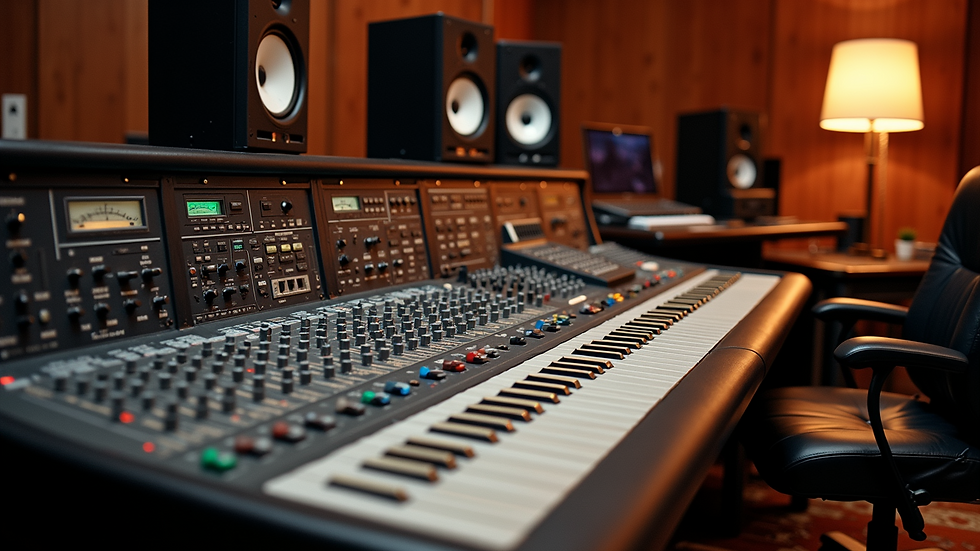
What does a film music composer do?
A film music composer plays a crucial role in the filmmaking process. Their job involves much more than just writing music; it requires collaboration, creativity, and technical skill. Here’s a breakdown of their key responsibilities:
Reading the script and watching rough cuts to understand the story, characters, and mood
Meeting with the director and producers to discuss the vision and musical direction
Creating themes and motifs that reflect the narrative and emotional arcs
Composing and orchestrating the score using traditional instruments, digital tools, or a combination of both
Synchronizing music with film scenes to ensure timing and emotional impact are perfect
Overseeing recording sessions with musicians or orchestras
Mixing and mastering the final score to blend seamlessly with dialogue and sound effects
A film music composer must be adaptable, able to work under tight deadlines, and skilled in various musical styles. Their work is essential in transforming a film from a visual story into a fully immersive experience.

Techniques and Tools Used in Film Scoring
Film scoring combines traditional musical techniques with modern technology. Composers use a variety of tools and methods to craft their scores:
Leitmotifs: Recurring musical themes linked to characters or ideas, popularized by composers like John Williams.
Orchestration: Choosing the right instruments and arranging parts to create the desired sound texture.
Digital Audio Workstations (DAWs): Software like Logic Pro, Cubase, or Pro Tools allows composers to write, edit, and produce music digitally.
Sample Libraries: High-quality recordings of instruments that can be used to simulate orchestras or unique sounds.
Hybrid Scores: Combining live instruments with electronic elements to create modern, dynamic soundscapes.
For example, Hans Zimmer often blends orchestral music with electronic sounds to produce scores that feel both epic and contemporary. This approach allows for greater flexibility and innovation in film scoring.
Tips for Aspiring Film Scorers
If you’re interested in film scoring, here are some practical tips to get started and succeed:
Study film and music theory: Understanding how music affects storytelling is essential.
Learn to use DAWs and sample libraries: Technical skills are crucial in today’s industry.
Analyze famous film scores: Listen to how music interacts with scenes and emotions.
Collaborate with filmmakers: Build relationships and gain experience by working on short films or student projects.
Be versatile: Develop skills in multiple musical genres and styles.
Practice timing and synchronization: Learn to match music precisely with film cues.
Stay patient and persistent: Film scoring is competitive and requires dedication.
By following these steps, you can develop the skills and network needed to become a successful film scorer.
The Future of Film Scoring
The world of film scoring is evolving rapidly with advances in technology and changes in the film industry. Some trends shaping the future include:
Increased use of AI and machine learning to assist in composing and sound design.
Virtual reality and interactive media require adaptive and dynamic scores.
Global influences are bringing diverse musical traditions into mainstream film music.
Remote collaboration tools enabling composers to work with filmmakers worldwide.
Despite these changes, the core of film scoring remains the same - creating music that enhances storytelling and connects with audiences on an emotional level. The art of scoring will continue to be a vital part of cinema’s magic.
Film scoring is a fascinating blend of creativity, technical skill, and emotional insight. Whether you are a filmmaker, musician, or simply a lover of movies, understanding this art form enriches the way you experience films. For those looking to explore this craft professionally, working with a skilled film music composer can bring your cinematic vision to life with the perfect musical accompaniment.


Comments